
Best Time to Visit Sajek Valley: A Complete Seasonal Guide

Kawsar Ahmed
September 10, 2026
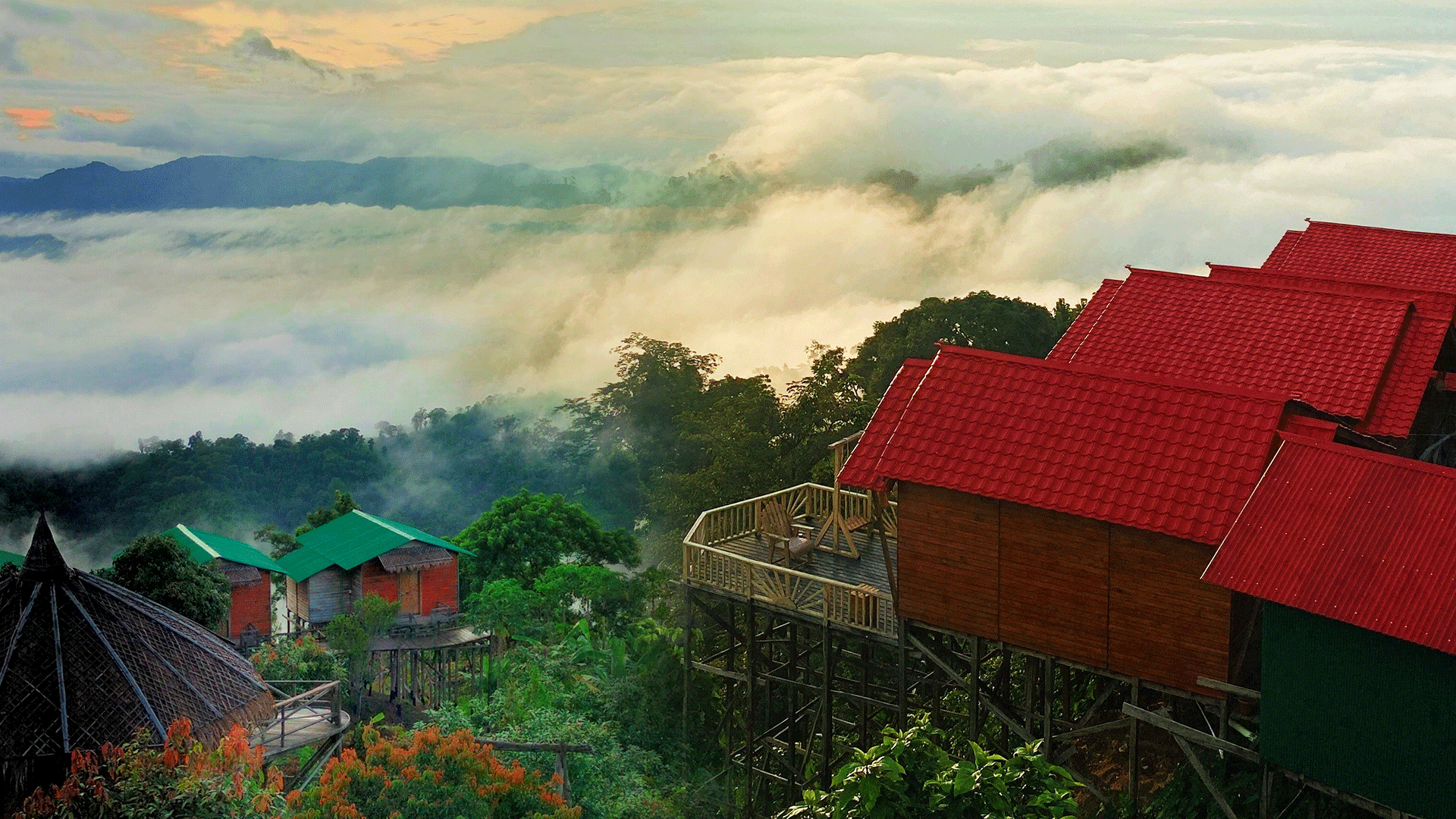
Sajek Valley is located among the hills of the Kasalong range in Rangamati District. Sitting at an elevation of around 450 meters, it is widely known for its scenic high viewpoints and cloud-covered landscapes.
Because of its hilltop location, weather conditions can change quickly. Understanding the seasons will help you choose the ideal time to book your trip via gokawsar.
Quick Answer: When Is the Best Time to Visit Sajek?
| Travel Preference | Best Months |
|---|---|
| Peak Cloud Season | October to November |
| Cool & Pleasant Weather | December to February |
| Quiet Season & Lower Budget | March to May |
| Deep Green & Heavy Cloudscape | June to August |
| Fresh Post-Monsoon Views | September |
Sajek in Autumn: September to November
Best for Green Hills, Clouds and Comfortable Travel
September to November is one of the most attractive periods in Sajek. The heavy monsoon rain gradually decreases while hills stay fresh and green. October is often considered the best month for travellers wanting the classic Sajek cloud experience.
What to Expect:
- Green hills after the monsoon
- Morning mist and floating clouds
- Better road conditions than peak monsoon
- Comfortable mornings and evenings
- Growing crowds as winter approaches
- Offers great weather variety with cloud coverage and clear sunsets
- Road travel is generally safer and easier
- Outdoor activities become much more comfortable
- October can still receive occasional sudden rain showers
- November weekends can get crowded, requiring early resort booking
Sajek in Winter: December to February
Best for Clear Mountain Views and Cool Weather
Mornings and evenings feel cool and crisp during winter. Rainfall is at its lowest, making December and January the driest months of the year for Rangamati and Sajek.
What to Expect:
- Cool mornings and chilly nights
- Lower chance of rain
- Clearer distant mountain views
- Busy resorts and viewpoints
- Less intense greenery compared to monsoon
- Easier travel for families with children and elderly travelers
- Dry roads reduce travel risks
- Pleasant daytime walking conditions without intense heat
- Peak travel months lead to higher resort and jeep prices
- Popular viewpoints can get crowded during sunrise and sunset
- Nights feel colder than expected; warm clothing is required
Sajek During the Monsoon: June to August
Best for Clouds, Rain, and Deep Green Scenery
Monsoon transforms Sajek into an intensely green paradise with dramatic clouds hovering directly over cottages and hills. However, heavy rains make road travel challenging.
What to Expect:
- Frequent heavy rain
- Thick clouds and dense fog
- Deep green hills and roaring waterfalls
- Limited visibility at times
- Breathtaking cloud formation and lush rainforest atmosphere
- Lower resort room rates compared to winter peak
- Slippery mountain roads and potential landslide risks
- Delayed transport or sudden travel restrictions
- Outdoor walking can be difficult due to mud and rain
Month-by-Month Sajek Travel Guide
January
Cool mornings, dry weather, clear views. Peak winter tourist season.
Best for: Families, couples, comfortable sightseeingFebruary
Pleasant weather with rising daytime temperatures towards late month.
Best for: Clear views and relaxed outdoor tripsMarch
Warmer days begin, but mornings stay pleasant. Fewer crowds.
Best for: Short budget trips before summer heatApril
Hotter days with occasional sudden afternoon thunderstorms.
Best for: Budget travellers comfortable with warm daysMay
Humidity rises along with pre-monsoon shower activity.
Best for: Flexible travellers seeking quieter spotsJune
Monsoon starts; clouds and greenery increase rapidly.
Best for: Monsoon lovers and nature photographersJuly
Wettest month of the year with heavy rainfall and cloud cover.
Best for: Experienced travellers prepared for rainAugust
Rain continues; dramatic cloudscapes on clear breaks.
Best for: Cloud views subject to safe weatherWhat to Pack for Sajek
Winter Packing
- Light jacket or sweater
- Comfortable walking shoes
- Lip balm & moisturizer
- Warm cap or scarf
- Basic medicine
Monsoon Packing
- Raincoat / Poncho
- Waterproof footwear
- Umbrella
- Dry bags for electronics
- Extra clothes & Insect repellent
Summer Packing
- Light cotton clothing
- Sunscreen & Sunglasses
- Cap/Hat
- Reusable water bottle
- Electrolyte packets
Frequently Asked Questions
Is October a good time to visit Sajek?
Yes, October is widely considered one of the best months due to vibrant green hills, frequent morning clouds, and comfortable temperatures.
Is December a good time to visit Sajek?
December offers excellent dry, cool weather and clear views, though resort prices and crowd levels are higher.
Which month has the most clouds in Sajek?
June through October usually offer the highest chance of seeing thick clouds floating through the valley.
Is Sajek safe during the rainy season?
Sajek is accessible, but heavy rains can cause landslides or slippery road conditions. Always check official weather warnings before travelling.
Should I book my transport early?
Yes, booking bus tickets to Khagrachari and local Jeeps (Chander Gari) via gokawsar in advance is recommended during peak months.